



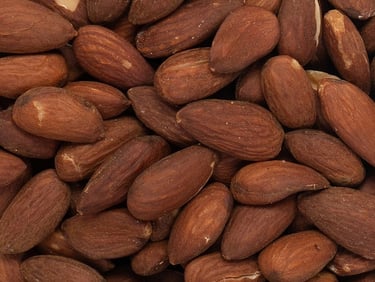
Toasted almonds
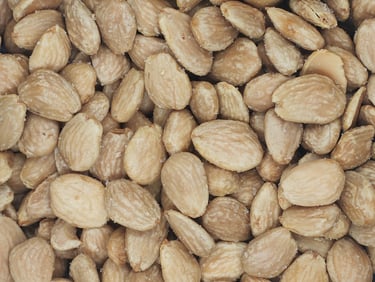
Roasted almonds are the fruit of the almond tree that undergoes a dry-heat cooking process, which completely transforms their organoleptic properties:
Flavor: their natural sweetness intensifies, and they develop deep, toasted, and slightly smoky notes thanks to the Maillard reaction (the browning of their proteins and sugars).
Texture: they lose moisture, becoming much crunchier, firmer, and more pleasant to bite into than raw almonds.
Color: their interior changes from an ivory white to a golden or light brown color.
They are a very versatile food that can be eaten directly as a healthy snack, but they are also a fundamental ingredient in gastronomy for making nougat, sauces (such as romesco), picadas (a type of Spanish spread), or for adding a crunchy touch to salads and desserts.
They are produced in two types:
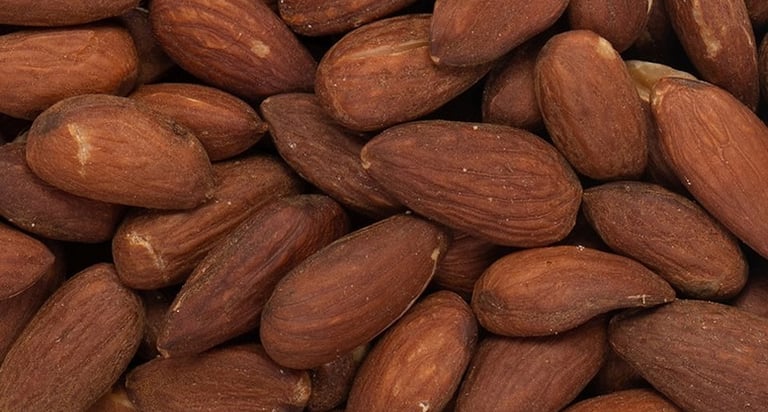
roasted almonds with skin
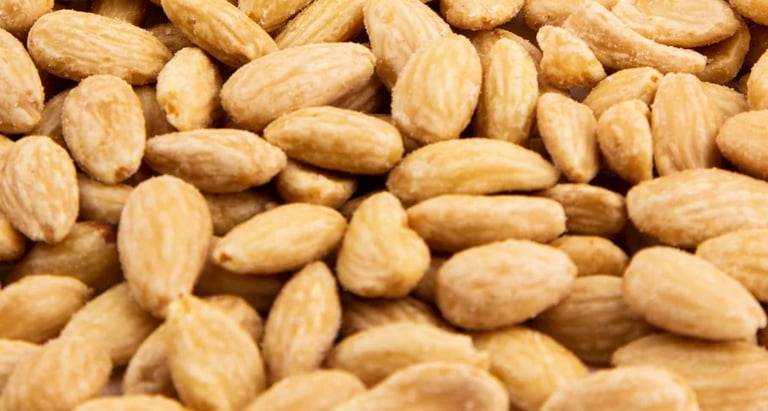
roasted almonds without skin
Fried flavored almonds
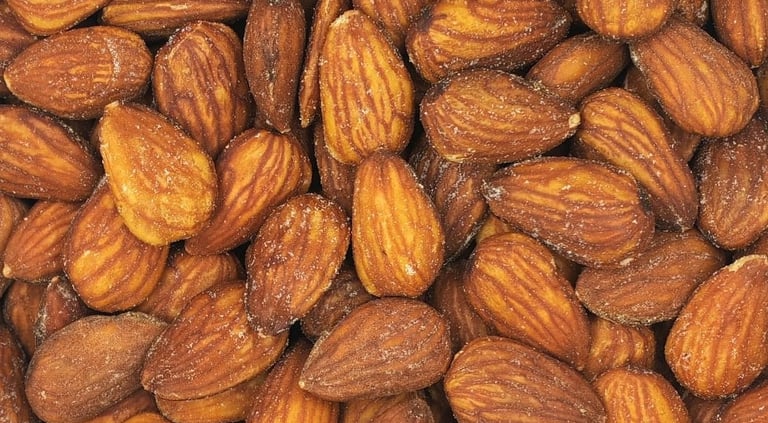
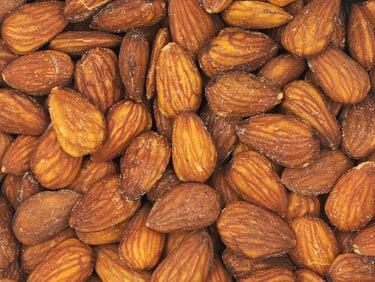
Our company revives an old recipe, passed down through generations in Granada's kitchens. We hand-select the finest Granadina variety almonds and submerge in low temperature oil, then add a touch of salt or flavorin required by customer.
It's an exclusive, natural, nutritious, and incredibly delicious product.
It's available in three varieties:
Almonds salted skinless
Almonds salted with skin
Almonds smoked with skin
Almonds barbacue with skin
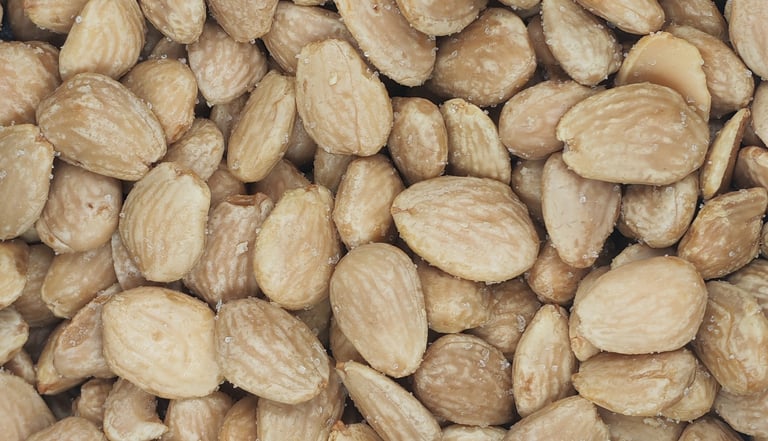
Almond butter
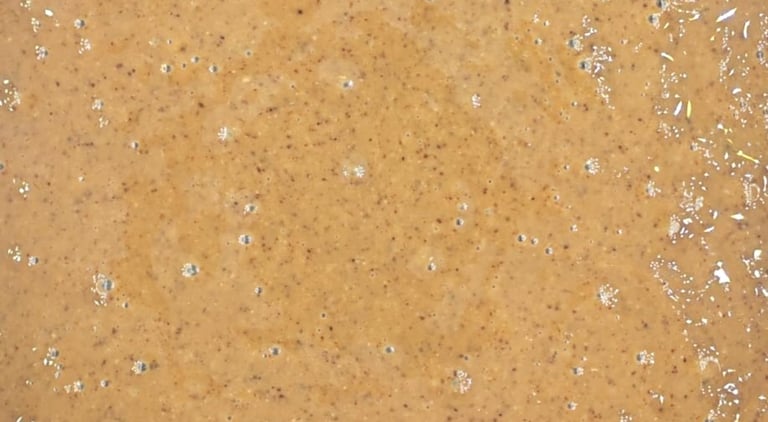
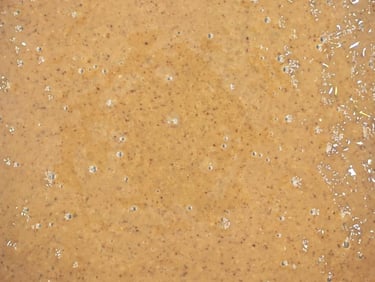
Almond butter is the result of finely grinding roasted almonds until the nut's oil is released, creating a smooth, creamy paste.
Here are its key features:
Flavor and texture: it has a deep, slightly sweet, and nutty flavor. Its texture can range from very smooth and silky to crunchy with almond pieces.
Nutritional profile: it's an excellent alternative to traditional butter and peanut butter. It's rich in healthy (monounsaturated) fats, plant-based protein, fiber, vitamin E, and magnesium.
Versatility: it's widely used in healthy cooking as a spread on toast, added to smoothies, mixed with oatmeal, or as an ingredient in baking.
It's available in two varieties: with skin and without skin.